Constipation, Difficulty Emptying Your Bowels or Bowel Leakage? Pelvic Health Physiotherapy Can Help
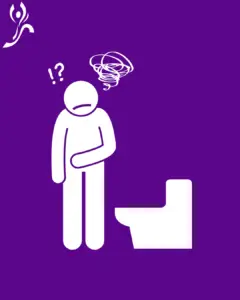
Do you struggle to empty your bowels properly?
Perhaps you constantly feel like there’s still more to come, no matter how long you sit on the toilet. Maybe you find yourself straining every time you try to open your bowels, or you’ve started experiencing accidental bowel leakage that leaves you feeling anxious or embarrassed.
If any of this sounds familiar, you’re certainly not alone.
Many people live with constipation, difficulty emptying their bowels, or bowel leakage for months—or even years—without realising that their pelvic floor muscles could be part of the problem.
At Cathryn Clark Physiotherapy, our Specialist Pelvic Health Physiotherapist, Kirsten, helps people from North Tyneside, Morpeth and across Northumberland regain confidence, improve bowel function and get back to living life without worrying about their bowels.
Why can’t I empty my bowels properly?
Your digestive system is an incredible piece of engineering.
From your mouth to your bowel, every part works together to digest food, absorb nutrients and eliminate waste efficiently. A healthy digestive system relies on:
Good gut motility
A balanced gut microbiome
Healthy bowel tissue
Communication between your brain and gut
A pelvic floor that relaxes and coordinates properly
When one part of this system isn’t working well, bowel problems can develop.
Many people assume constipation is simply caused by not drinking enough water or eating enough fibre. Whilst these can certainly contribute, they’re not the whole story.
Sometimes the muscles of the pelvic floor don’t relax or coordinate correctly, making it physically difficult to empty the bowel. This is known as obstructed defecation or pelvic floor dyssynergia, and it’s something specialist pelvic health physiotherapy can assess and treat.
Common bowel symptoms we help with
You may benefit from Pelvic Health Physiotherapy if you experience:
Difficulty emptying your bowels
Feeling like your bowel never fully empties
Straining every time you go to the toilet
Constipation despite eating plenty of fibre
Needing to use your fingers or change position to empty
Pain when opening your bowels
Needing to rush urgently to the toilet
Difficulty controlling wind
Leakage of stool or staining in your underwear
Accidental bowel leakage after childbirth
Bowel urgency that makes you worry about leaving home
These symptoms are incredibly common—but they are not something you simply have to put up with.
Constipation isn’t always caused by your diet
If you’ve already tried:
Eating more fibre
Drinking more water
Taking laxatives
Exercising more
…but still feel constipated or unable to empty your bowels properly, it may be time to look beyond your gut.
Many people are surprised to learn that their pelvic floor muscles may actually be preventing them from emptying normally.
Instead of relaxing when you try to open your bowels, the muscles may tighten or fail to coordinate correctly. This can make bowel movements difficult, incomplete and frustrating.
The good news is that this is something Pelvic Health Physiotherapy can often help improve.
Bowel leakage (Faecal Incontinence): You’re not alone
Accidental bowel leakage is far more common than most people realise.
Whether it’s leaking stool, staining your underwear, struggling to control wind or experiencing sudden urgency, these symptoms can have a huge impact on confidence and quality of life.
Many people avoid social events, travelling or exercising because they’re worried about finding a toilet in time.
Sadly, embarrassment often prevents people from seeking help.
The reality is that faecal incontinence affects millions of people, and effective treatment is available.
Pelvic Health Physiotherapy can help improve the strength, endurance and coordination of the pelvic floor muscles and anal sphincter, helping you regain better bowel control and confidence.
How Pelvic Health Physiotherapy can help
Our Specialist Pelvic Health Physiotherapist, Kirsten, has extensive experience helping people with bowel dysfunction in a compassionate, discreet and supportive environment.
Following a detailed assessment, treatment may include:
Improving constipation and obstructed defecation
If your pelvic floor muscles are not relaxing properly, we can help you retrain the correct movement pattern so that your bowels empty more efficiently and with less straining.
Treating bowel leakage and urgency
Strengthening and retraining the pelvic floor muscles can improve your ability to control wind and stool, reducing urgency and accidental leakage.
Reducing pain when opening your bowels
We can assess and advise on problems including:
Anal fissures
Pelvic organ prolapse
Haemorrhoids
Pelvic floor muscle tension
Painful bowel movements
Treatment is always tailored to your individual symptoms and goals.
When should you see your GP?
Whilst many bowel symptoms are related to pelvic floor dysfunction, it’s important to have new or persistent symptoms assessed.
Please arrange an appointment with your GP if you notice:
Blood in your stool or on the toilet paper
A persistent change in your normal bowel habit lasting more than a few weeks
Unexplained weight loss
Persistent abdominal pain
Unexplained anaemia
Most changes are not caused by bowel cancer, but it’s always important to rule out serious conditions as early diagnosis significantly improves outcomes.
Self-help tips for easier bowel emptying
Whilst these tips won’t solve every bowel problem, many people find them helpful.
Don’t ignore the urge
When you feel the urge to open your bowels, try to go as soon as you reasonably can. Regularly delaying can make constipation worse.
Develop a routine
Many people naturally feel the urge after breakfast or a hot drink. Listening to your body’s routine can help improve regularity.
Improve your toilet position
Sit fully on the toilet rather than hovering.
Keeping your feet supported—often with a small footstool—helps bring your knees slightly above your hips, allowing the pelvic floor muscles to relax more effectively.
Leaning forwards with your elbows resting on your knees may also help.
Avoid excessive straining
Instead of holding your breath and pushing hard, allow your tummy to gently expand as if you were softly blowing bubbles. This encourages more natural pressure without placing unnecessary strain on the pelvic floor.
Look after the skin
If frequent wiping leaves the skin sore or irritated, using a barrier ointment such as Hydromol on tissue can help reduce irritation.
Stay hydrated and eat enough fibre
Aim for around 1.5–2 litres of fluid each day and include adequate fibre in your diet. If increasing fibre makes your symptoms worse, seek professional advice, as not all constipation responds well to simply eating more fibre.
You don’t have to live with bowel problems
Constipation, difficulty emptying your bowels, bowel leakage and pelvic floor dysfunction can have a huge impact on everyday life—but they are often highly treatable.
You don’t need to struggle in silence or feel embarrassed.
Kirsten provides compassionate, confidential care and has extensive experience helping people overcome bowel problems with evidence-based Pelvic Health Physiotherapy.
Appointments are available at our clinics in West Allotment (North Tyneside) and The Coliseum, Morpeth.
If bowel symptoms are affecting your confidence or quality of life, we’re here to help.