Prehab – What is it? Why do I need it?
‘Major surgery is like running a marathon, you wouldn’t run a marathon without training, so why wouldn’t you prepare your body for surgery?’
Prehabilitation is not a new idea, it’s been around for a while, mainly in sports but now there is a growing evidence base to support its effectiveness in many different areas including colo-rectal, upper gastro-intestinal and vascular surgeries as well as hip and knee replacements . If you are having any surgery the chance is by doing some prehab, you will speed up your recovery and improve you outcomes.
When you have surgery, your body is put under a lot of stress. Physiologically your body has to work harder, your heart rate will increase to help support your recovery and in turn your breathing rate might increase. This is all before you have moved. After surgery evidence shows one of the best things you can do is get up and moving as soon as safely possible. But walking will again increase your heart and breathing rate and feel like hard work! Combine the two and your body is going through some major physiological stress, like running a marathon.
So, what can you do to make this easier on your body and speed up your recovery?
Well exercise can really help. When you exercise you increase your heart and breathing rate, to take in more oxygen to help your muscles work. The more exercise you do, the more efficient your body becomes at doing this, the easier it feels. This effect will carry over in to the post operative phase, meaning you will find it easier to get up and moving after surgery, helping you get home sooner.
Sounds great, but what type of exercise do you need to do?
Any exercise is better than none! What you do will depend on your current fitness levels, what you enjoy, if you have any restrictions and how long you have before your surgery. Even if you only have 2 weeks before surgery you can still make a difference.
The most effective way to improve your fitness levels is combining both resistance and cardio training, working at a relatively high intensity for you and completing sessions 2-3 times a week. It can be really hard to know where to start and what to do first. By having a professional to support you through this journey it can make it much easier, as well as the benefit of giving you some accountability!
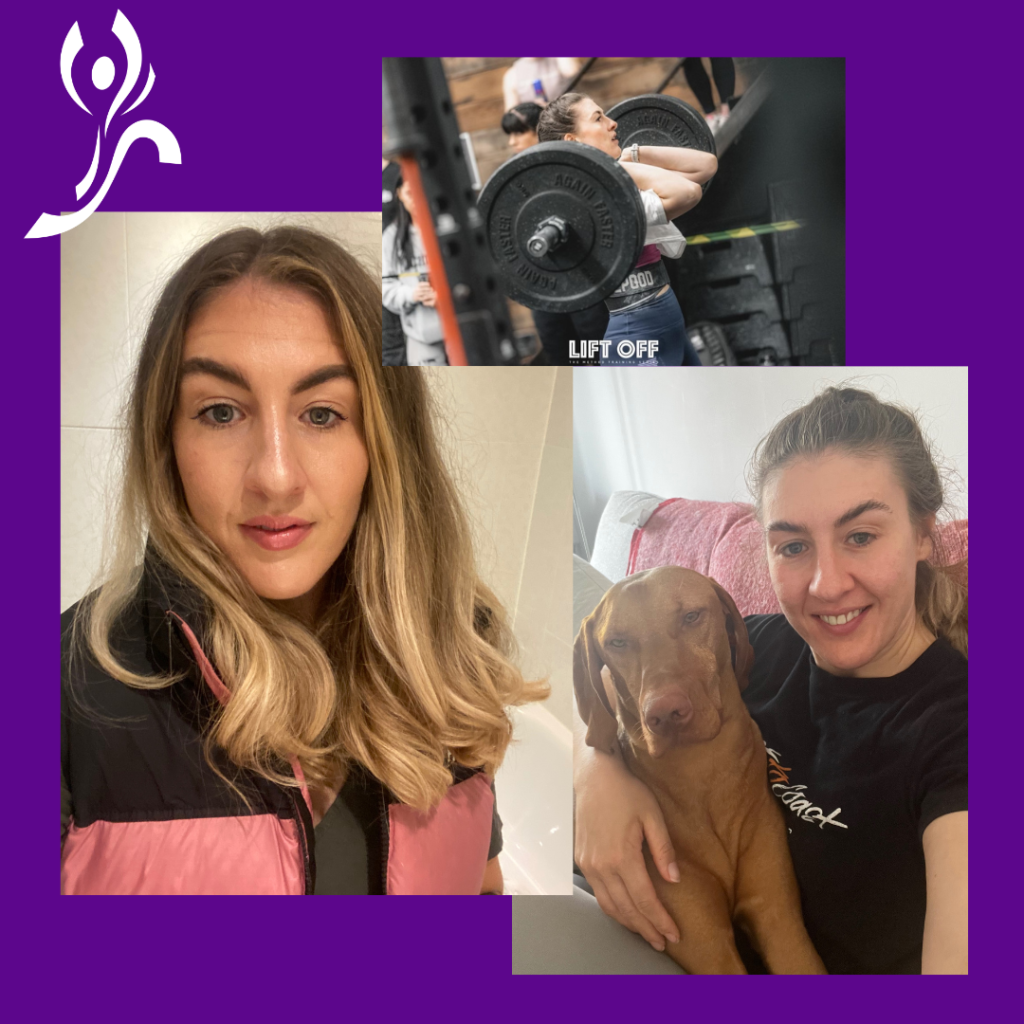
Gemma Kindness BSc (Hons) MCSP
As a qualified Physiotherapist, with over 12 years of experience working in many different areas including critical care, surgery and orthopaedics, and now working in prehabilitation in the NHS, Gemma, can help you exercise at the right level for you to improve your fitness and strength and get you ready for your surgery! furthermore she has completed her CrossFit Level 1 certification, increasing her knowledge in strength and conditioning.