
Osteoarthritis of the Knee - what is it?

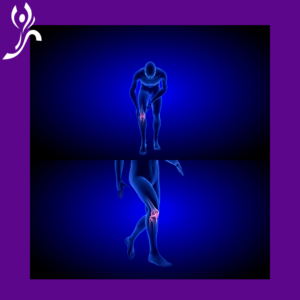
Everyone’s joints go through a normal cycle of damage and repair during their lifetime, but sometimes the body’s process to repair our joints can cause changes in their shape or structure. When these changes happen it’s known as osteoarthritis.
The ends of our bones are covered in a smooth and slippery surface, known as cartilage. This allows the bones to move against each other without friction, and protects your joint from stress.
Your knee also has two other rings of a different type of cartilage known a menisci or meniscus, which help to share weight evenly across your knee joint, and there’s also cartilage underneath your kneecap.
Osteoarthritis causes the cartilage in your knee joint to thin and the surfaces of the joint to become rougher, which means that the knee doesn’t move as smoothly as it should, and it might feel painful and stiff.
Who does it effect?
Osteoarthritis can affect anyone at any age, but it’s more common over 50.
Being overweight is also linked to osteoarthritis, as this causes extra strain on weight-bearing joints, such as your knees.
If you have osteoarthritis of the knee, you will probably feel your knee is painful and stiff at times. It may only affect one knee, especially if you’ve injured it in the past, or you could have it in both. The pain may feel worse at the end of the day, or when you move your knee, and it may improve when you rest. You might have some stiffness in the morning, but this won’t usually last more than half an hour.
How do I manage osteoarthritis?
There’s no cure for osteoarthritis, but there are things you can do for yourself that can make a difference to how the condition affects you. There are also some treatments available that could significantly reduce your pain.
Exercise.
Joints need to be exercised regularly to keep them healthy. It’s very important to keep moving if you have osteoarthritis of the knee. Whatever your fitness level, exercise helps the knee to be able to cope with normal daily activities again.
Exercise can strengthen the muscles around your knee, improve your posture and help you to lose weight, all of which can reduce the symptoms and pain of osteoarthritis.
How does Physiotherapy help?
A physiotherapist can advise you on the best exercises to do, but you’ll need to build them into your daily routine to get the most benefit from them.
Range of movement and strengthening exercises are recommended most to manage osteoarthritis.
Can I reduce the stress on my knee?
Other than keeping an eye on your weight your physiotherapist can help you pace your activities, advise on good supportive footwear, and if heat or ice would be helpful. Sometimes a knee brace can also be of benefit.
If you think you have osteoarthritis of your knee then pop along to the clinic for an initial assessment and we will formulate an individual treatment plan to help you get back to the activities you love most!
Written by Sarah Buckton Chartered Physiotherapist.